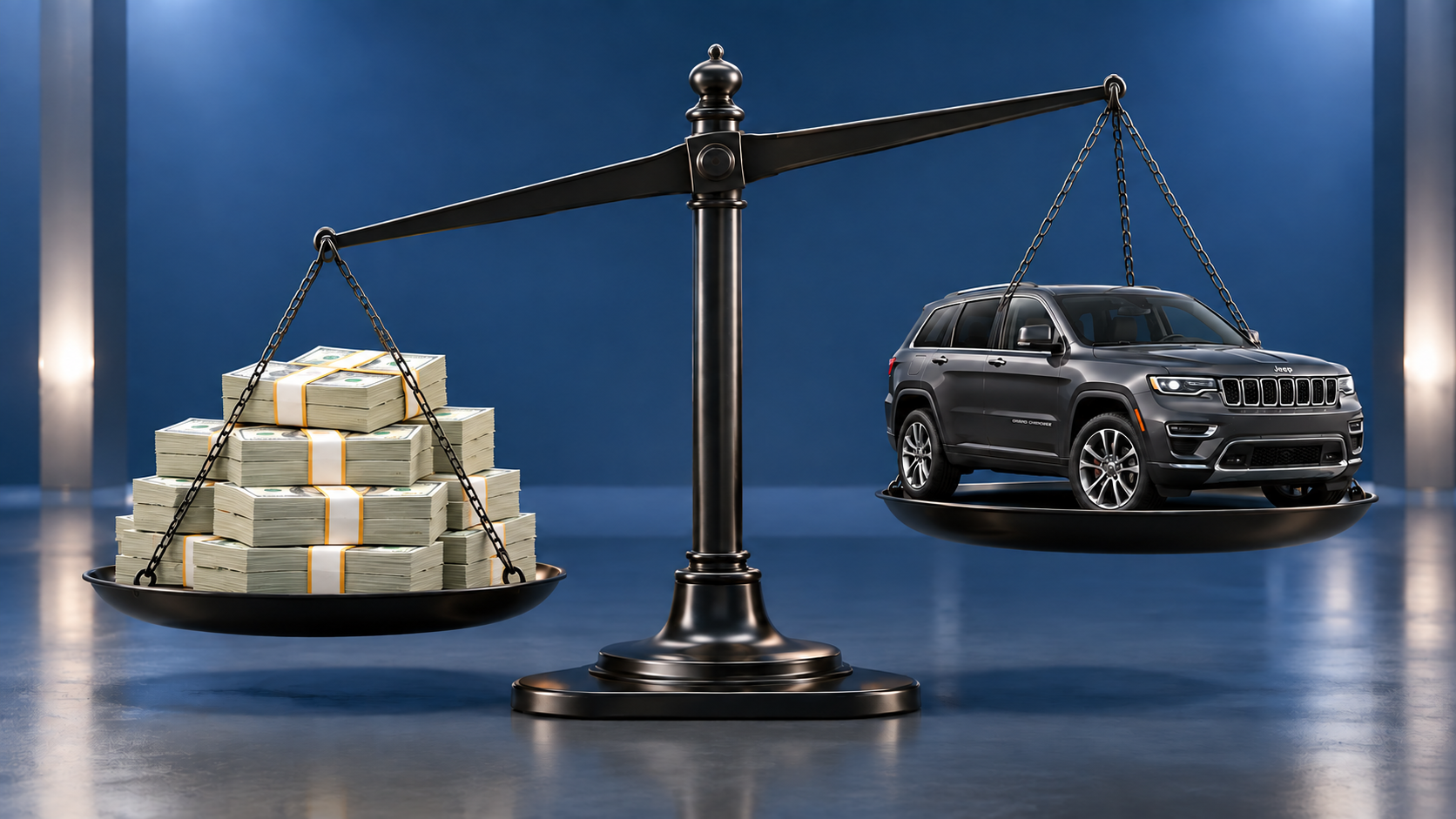
How to Get the Most Value for Your Trade-In
A little preparation can help you understand what your vehicle is worth, avoid unnecessary expenses, and approach your trade-in appraisal with realistic expectations.
Quick answer: Research your vehicle's estimated value, obtain the current loan payoff, clean the vehicle, gather its keys and records, and get an appraisal before deciding how to proceed. Expensive repairs made just before trading do not always return what they cost.
First, Decide Whether Trading In Fits Your Priorities
Selling a vehicle yourself may sometimes produce a higher selling price, but it also requires more work. You may need to advertise the vehicle, answer messages, arrange test drives, verify payment, complete the paperwork, and coordinate with your lender if the vehicle still has a loan.
Trading at a dealership is usually more convenient because the trade, payoff, paperwork, and next purchase can be handled together. The best choice depends on whether your priority is pursuing the highest possible selling price or completing the transaction with less time and effort.

1. Research Your Vehicle's Estimated Value
Start with an online trade-value tool. Enter the correct year, make, model, trim, mileage, equipment, condition, and ZIP code. Be realistic about condition. Selecting “excellent” for a vehicle with visible wear, warning lights, or mechanical needs can create an estimate that does not match an in-person appraisal.
An online value is a useful starting point, not a guaranteed offer. Local demand, vehicle history, mechanical condition, tires, cosmetic wear, modifications, and current inventory levels can all affect the final number.
2. Get the Current Loan Payoff
If you still owe money on the vehicle, contact your lender or check your online account for the current payoff amount. The payoff may differ from the balance on your latest statement because interest can accrue between payments.
Compare the payoff with the vehicle's estimated value. If the vehicle is worth more than the payoff, you may have positive equity that can be applied toward your next purchase. If the payoff is higher, the difference is negative equity and must be addressed as part of the transaction.
3. Clean the Vehicle Without Overspending
A clean vehicle is easier to inspect and presents better than one filled with personal items, trash, or heavy dirt. A basic wash, vacuum, window cleaning, and removal of personal belongings are usually worthwhile.
A costly professional detail is not always necessary. Focus first on simple improvements you can make without spending more than they are likely to add to the appraisal.
4. Think Carefully Before Making Repairs
It can be tempting to repair every scratch, dent, warning light, or worn component before an appraisal. Some small, inexpensive fixes may help, but larger repairs often cost more than they add to the trade value.
Before authorizing significant work, consider having the vehicle appraised as it sits. A dealership may be able to recondition it more efficiently, or the vehicle may be valued for wholesale rather than retail use. In either case, you may not recover the full cost of work completed immediately before trading.
5. Gather the Items That Belong With the Vehicle
Bring whatever you have that helps make the vehicle complete and the transaction easier, including:
- All keys and remote fobs
- Owner's manuals
- Maintenance and repair records
- The title, if you hold it
- Current registration
- Loan and lender information, if there is an active lien
- Original equipment removed when accessories or modifications were installed
Missing paperwork does not necessarily prevent a trade, but having everything ready can reduce delays. Ask the dealership what identification and ownership documents are required before your visit.
6. Be Accurate About Condition and History
An appraiser will inspect the vehicle and may review a vehicle-history report. Sharing known mechanical concerns, accident repairs, or title issues upfront helps produce a clearer appraisal and reduces surprises later in the process.
Modifications can affect value in different ways. Some accessories may appeal to a specific buyer, while highly personalized changes can narrow the market. Bring any original parts you still have and let the appraiser evaluate the vehicle as a whole.
7. Review Each Number Clearly
When trading and purchasing at the same time, review the vehicle price, trade value, loan payoff, equity, taxes and fees, financing terms, and final amount separately. Looking at the complete breakdown makes it easier to understand how the trade affects the next transaction.
A monthly payment alone does not show the full picture. Loan length, interest rate, cash down, trade equity, and any remaining balance from the previous vehicle can all change that payment.
When Is the Best Time to Trade?
There is no single perfect age or mileage for every vehicle. Value depends on depreciation, condition, demand, loan balance, and the cost of keeping the vehicle. A strong time to consider trading is when the vehicle still meets current demand, you have manageable or positive equity, and replacing it makes sense for your needs and budget.
If you are unsure, an appraisal can provide information without requiring you to make an immediate decision. Once you know the vehicle's current value and payoff, you can compare trading now with waiting and continuing to pay down the loan.
Find Out What Your Vehicle Is Worth
Start with an online estimate, then let the team at Uftring Chrysler Dodge Jeep Ram evaluate your vehicle's actual condition and current market value.
Value Your Trade Contact Our TeamImportant: Online vehicle values are estimates and are not purchase or trade offers. Final appraised value depends on vehicle inspection, history, condition, equipment, mileage, and current market demand. Financing is subject to lender approval. This article is for general educational purposes and is not financial or legal advice.